
Best HMI Brands in Malaysia: Comparison Guide for Engineers (2026)

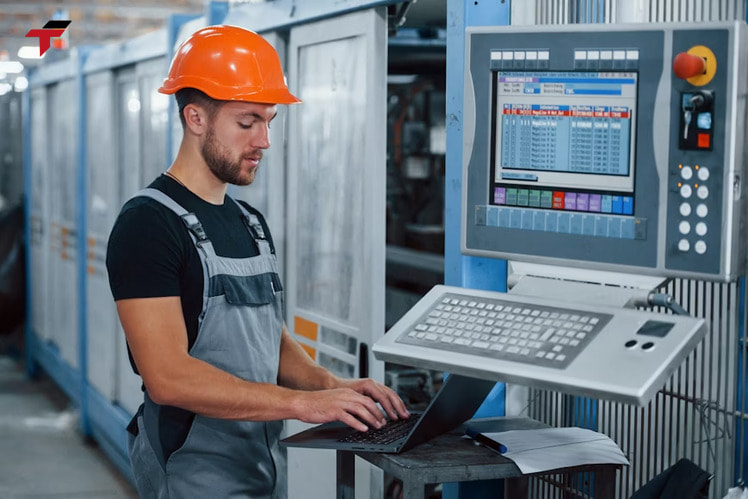
Choosing the right HMI brand in Malaysia is not a cosmetic decision – it is an engineering constraint. The wrong HMI brand locks your system into a communication protocol your PLC cannot speak, arrives with no local spare parts network, and leaves your production line down while a replacement panel takes weeks to clear customs. HMI brands available in Malaysia range from Japan’s precision-engineered Mitsubishi GOT2000 to Taiwan’s IoT-ready Weintek cMT and China’s cost-competitive Xinje TG series – each positioned for a different factory environment and PLC ecosystem.
This guide covers six HMI brands actively stocked and specified in the Malaysian market, a side-by-side comparison table across screen range, communication protocols, and price tier, and an industry fit map for the four sectors that drive Malaysian manufacturing: semiconductor, palm oil processing, food and beverage, and rubber and glove. Written for system integrators, maintenance engineers, and procurement managers making a sourcing decision in Malaysian industrial automation.
HMI Selection Criteria for Malaysian Factories
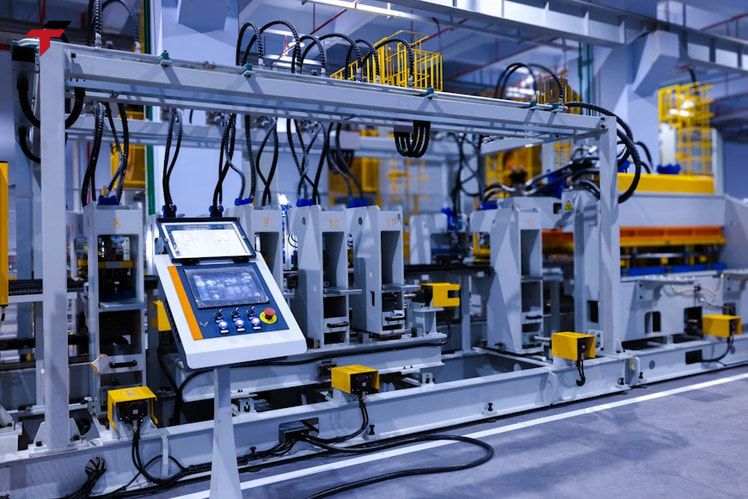
HMI selection criteria for Malaysian factories reduce to four filters – each one eliminates brands that cannot meet the actual operating requirement.
PLC brand lock-in. Most HMI brands communicate natively with their own PLC family and via Modbus with others. A Siemens SIMATIC panel integrates seamlessly into a Siemens S7 system via PROFINET; the same panel requires significant engineering overhead to talk to a Mitsubishi FX5U. Identify the PLC ecosystem first, then select the HMI.
Communication protocol coverage. Malaysian factories operate a mix of Modbus RTU (legacy machines), Modbus TCP (networked systems), PROFIBUS (European equipment), CC-Link (Mitsubishi lines), and Ethernet/IP (Allen-Bradley installations). The HMI must cover every device on the network – gaps require gateway hardware that adds cost and a failure point.
Environmental rating. Palm oil mills, rubber glove factories, and food processing lines impose high humidity, elevated temperatures, or chemical exposure that standard panels are not rated for. IP65 minimum is a baseline; chemically-coated boards are a hard requirement in sulphur-heavy environments such as vulcanisation lines.
Local support and spare parts availability. Import lead times in Malaysia for non-stocked automation components run 4–12 weeks. For critical production lines, a brand with no Malaysian distribution infrastructure is an operational risk regardless of its technical specifications.
HMI Selection Criteria for Malaysian Factories
Top HMI Brands Available in Malaysia
Mitsubishi Electric – GOT2000 Series
Mitsubishi’s GOT2000 series is the reliability benchmark across Malaysian industrial automation. These panels integrate natively with Mitsubishi FX3U, FX5U, Q-series, and iQ-R PLCs via dedicated CC-Link IE and MELSOFT drivers – eliminating the protocol conversion step that introduces latency and engineering risk in time-sensitive production environments.
The GOT2000 supports CC-Link IE Field, Ethernet, RS-422/485, and USB, covering both legacy serial networks and modern Ethernet-based architectures. Panel sizes run from 4.5″ to 15″. Product lifecycle is long by industry standards – Mitsubishi maintains driver compatibility across generations, which matters when a line must run for 10–15 years without a controls overhaul.
Widely specified in semiconductor fabrication facilities in Penang and Kulim, automotive component lines in Selangor, and precision machinery throughout Malaysian manufacturing. Premium price tier. Local support is available through Mitsubishi Electric Malaysia and authorised system integrators.
Best for: Mitsubishi PLC ecosystems, high-uptime critical lines, semiconductor and automotive applications.
Delta Electronics – DOP-100 Series
Delta’s DOP-100 series is the practical mid-range choice for Malaysian OEM machine builders and system integrators running mixed-brand PLC environments. Delta HMIs support Modbus RTU and TCP natively, making them broadly compatible with PLCs from Mitsubishi, Omron, Siemens, Panasonic, and others – a critical flexibility in Malaysian factories where no single PLC brand dominates across all machines on a line.
The DOP series covers 4.3″ to 15″ screen sizes with resolutions suitable for most factory floor operator interfaces. Delta has an established distribution presence in Malaysia, shortening replacement panel lead times compared to brands with thinner local networks. Delta HMI Malaysia panels are available through stocking distributors for direct procurement.
Best for: Mixed-brand PLC environments, OEM machine builders, cost-sensitive projects requiring broad protocol support.
Weintek – cMT Series
Weintek’s cMT series has become a preferred choice among Malaysian system integrators building IoT-connected machines and edge-monitoring applications. The cMT platform runs a Linux-based operating system and connects to over 400 PLC driver libraries through EasyBuilder Pro – one of the broadest protocol support libraries in the mid-range HMI segment.
Remote monitoring via Weincloud, PDF display, SQL database connectivity, and video playback are standard cMT capabilities that competitors at the same price tier typically do not match. Screen sizes extend from 4.3″ to 21″, covering compact machine panels through large control room displays. For new installations where the PLC brand is not yet fixed – or where machine-level IoT data collection is part of the project scope – the cMT series offers the strongest feature-to-price ratio currently available in Malaysia.
Best for: IoT and remote monitoring applications, mixed-brand PLC environments, OEM builders specifying new installations.
Pro-face (Fuji Electric) – MONITOUCH V9 / GP Series
Pro-face has maintained a consistent presence in the Malaysian HMI market through specialist distributors with established local application experience. The MONITOUCH V9 series carries extensive protocol coverage: Modbus RTU/TCP, PROFIBUS, DeviceNet, Ethernet/IP, and CC-Link – making it one of the few mid-to-premium panels that bridges Asian PLC protocols and European fieldbus standards within a single product line.
Pro-face’s migration path is a practical advantage for retrofit projects. Existing installations running first or second-generation Pro-face panels can migrate to current V9 models without full re-engineering of HMI project files – a documented cost reduction in facilities with ageing panel infrastructure. Certain Pro-face models carry high-temperature ratings, vibration resistance, and chemically-coated boards for corrosive operating environments.
Best for: Legacy migration projects, European-protocol facilities, packaging and energy applications, chemically demanding environments.
Siemens – SIMATIC HMI Basic / Comfort Panels
Siemens SIMATIC panels are the logical specification for factories standardised on Siemens S7-1200 or S7-1500 PLCs. Configuration via TIA Portal unifies PLC programming and HMI engineering in a single environment – a time reduction measurable on large-scale panel builds. PROFINET integration between SIMATIC panels and Siemens PLCs requires no additional driver configuration.
Outside the Siemens PLC ecosystem, SIMATIC panels carry significant integration overhead. Cross-brand communication requires custom Modbus TCP configuration and loses the seamless data tag sharing that makes TIA Portal integration efficient. In Malaysia, Siemens automation is most common in large process plants, utilities, and multinational factories operating global automation standards. SIMATIC Comfort Panels support 4″ to 22″ screens with built-in process historians and scripting – relevant for process industries where operator interface complexity is high. Premium price tier.
Best for: Siemens S7-1200/1500 PLC ecosystems exclusively, large process plants, multinational standardisation projects.
Xinje – TG / TH Series
Xinje’s TG and TH series occupy the entry-level segment of the Malaysian HMI market, engineered to support Xinje XC and XD series PLCs natively and connect to third-party equipment via Modbus RTU. Screen sizes cover 4.3″ to 10″, targeting compact machine panels and budget-constrained projects. Configuration runs through Xinje’s TouchWin software environment.
For new machine builds where Xinje PLCs are already specified, the TG/TH series keeps panel and PLC in a single ecosystem at competitive cost. Stocking distributors carry Xinje panels as part of a broader HMI Malaysia inventory for direct local procurement. Xinje HMIs are not recommended for critical, high-uptime lines where long product lifecycle and deep local service infrastructure are mandatory specifications.
Best for: Xinje PLC systems, budget-constrained projects, non-critical auxiliary machine panels.

Top HMI Brands Available in Malaysia
HMI Brand Comparison: Specs, Protocols & Price Range
| Brand | Series | Screen Range | Key Protocols | PLC Compatibility | Price Tier | MY Support |
| Mitsubishi Electric | GOT2000 | 4.5″–15″ | CC-Link IE, Ethernet, RS-422 | Native Mitsubishi; Modbus for others | Premium | Strong |
| Delta Electronics | DOP-100 | 4.3″–15″ | Modbus RTU/TCP, RS-232/485 | Broad multi-brand via Modbus | Mid-range | Good |
| Weintek | cMT | 4.3″–21″ | Modbus RTU/TCP, 400+ PLC drivers | Broadest multi-brand compatibility | Mid-range | Good |
| Pro-face / Fuji | V9 / GP | 3.5″–15″ | Modbus, PROFIBUS, DeviceNet, Eth/IP | Broad + European protocols | Mid–Premium | Moderate |
| Siemens | SIMATIC Basic/Comfort | 4″–22″ | PROFINET, Modbus TCP | Native Siemens; limited cross-brand | Premium | Moderate |
| Xinje | TG / TH | 4.3″–10″ | Modbus RTU, RS-485 | Native Xinje; Modbus for others | Entry | Growing |
Summary: HMI Brand Comparison
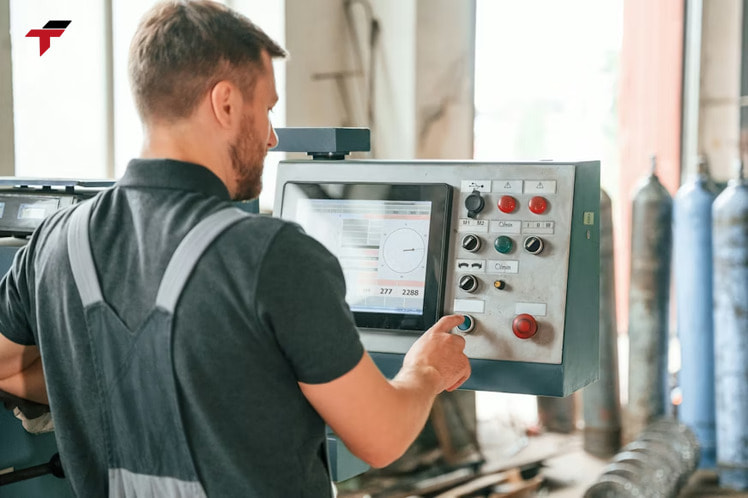
Mid-range panels from Delta and Weintek cover the broadest range of Malaysian factory applications – multi-brand PLC compatibility, competitive pricing, and adequate local distribution. Mitsubishi GOT2000 is the dominant specification where long lifecycle and Mitsubishi PLC integration justify premium cost. Siemens SIMATIC panels apply only within Siemens PLC ecosystems. Pro-face is the strongest specification for European-protocol environments and chemically demanding factory conditions. Xinje serves budget-constrained applications within its own PLC ecosystem. The comparison table above captures the protocol and support differences that determine fit; the sections below map these brands to Malaysian industries and walk through the selection criteria that narrow the choice.
Summary: HMI Brand Comparison
HMI Brand Fit by Malaysian Industry
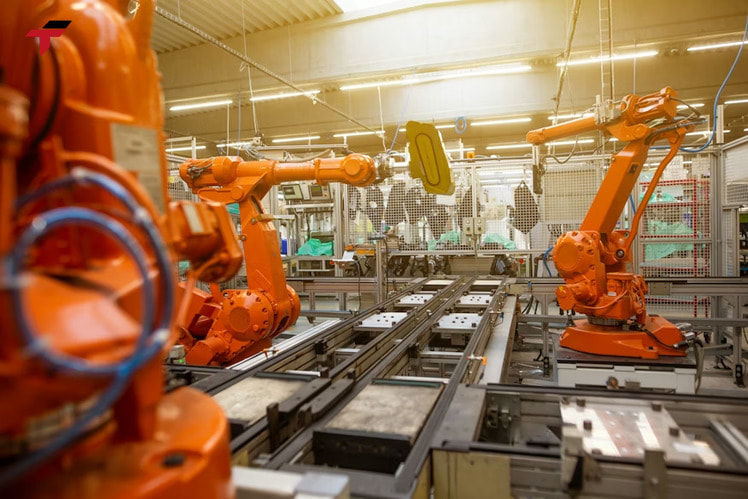
HMI brand fit by Malaysian industry breaks across four manufacturing sectors, each imposing distinct environmental and protocol constraints that generic brand rankings do not address.
Semiconductor manufacturing (Penang, Kulim): Cleanroom-adjacent environments with multinational quality standards, long machine lifecycles, and non-negotiable uptime requirements. Mitsubishi GOT2000 and Siemens SIMATIC Comfort are the dominant specifications – both carry long product lifecycles and global service infrastructure that semiconductor clients require in vendor approval processes. Weintek cMT is gaining traction for secondary monitoring applications where remote data access adds value without premium cost.
Palm oil processing (Sabah, Sarawak, Johor): High-humidity, high-temperature environments, often located on sites with limited local technical support coverage. Delta DOP and Weintek cMT are practical specifications – competitive pricing, broad Modbus compatibility with varied conveyor, press, and boiler control systems, and adequate IP ratings for the operating environment. Premium brands are harder to justify where replacement part logistics are constrained by remote site locations.
Food and beverage manufacturing: IP65-rated panels are baseline in washdown environments. Sealed fronts with no exposed fastener gaps are a hygiene specification, not an upgrade. Pro-face carries food-processing-rated models with appropriate environmental sealing; Weintek cMT covers IP65 on select screen sizes.
Rubber and glove manufacturing (Shah Alam, Klang Valley): Sulphur vapour in vulcanisation processes attacks standard PCB surface finishes and causes premature board failure. Chemically-coated panel variants – available within the Pro-face range – are the documented solution for this operating environment. Specifying a standard-construction panel in a sulphur-present facility is a maintenance cost, not a capital saving.
HMI Brand Fit by Malaysian Industry
HMI Brand Selection: 4-Point Checklist
HMI brand selection checklist for Malaysian engineers covers four criteria that eliminate brands before the catalogue comparison begins.
- Match to the PLC first. Identify the PLC brand and model on the machine before opening an HMI catalogue. If the PLC is Mitsubishi, evaluate GOT2000 before anything else. If it is Siemens, evaluate SIMATIC. If the PLC brand is mixed or undecided, Weintek or Delta – with their broad protocol libraries – are the lowest-risk starting points.
- Audit the communication requirements. List every device the HMI must connect to: PLCs, variable frequency drives, servo drives, barcode scanners, SCADA servers. Cross-check each device against the HMI’s protocol library. Any gap requires a protocol gateway – add the gateway cost and the additional failure point to the total comparison.
- Specify the environment before selecting the model. Temperature range, humidity level, required IP rating, and chemical exposure are panel specifications. Filter the brand shortlist to models that meet the environmental requirement. A standard-construction panel in a rubber glove vulcanisation area will fail faster than a coated model at twice the unit price.
- Confirm local stock and service infrastructure. Ask the distributor directly: What is the lead time for a replacement panel from this brand in Malaysia? Is there a local technical support contact? For any line running 24 hours, the lead-time answer must be days, not weeks. Thin local distribution is an operational risk that does not appear on the technical datasheet.
For Delta and Xinje HMI sourcing in Malaysia, contact Flextech Industrial for current stock availability and technical consultation.
Frequently Asked Questions
Which HMI brand is most popular in Malaysia?
Mitsubishi and Delta are the most widely installed HMI brands in Malaysian factories, supported by established local distribution networks and dominant PLC ecosystem positions. Weintek has grown significantly among system integrators and OEM machine builders over the past several years, particularly for applications requiring IoT connectivity and remote monitoring.
Is Delta HMI compatible with Mitsubishi PLC?
Yes. Delta DOP-100 series supports Modbus RTU and Modbus TCP, which Mitsubishi FX and iQ series PLCs support as communication protocols. The integration requires configuring the Mitsubishi PLC port as a Modbus slave – standard practice that does not require custom driver development. Native CC-Link IE or MELSOFT data-tag sharing is available only with Mitsubishi GOT panels.
What is the price range of HMI panels in Malaysia?
HMI panel pricing in Malaysia spans from entry level (Xinje TG series, basic Delta models) through mid-range (Delta DOP-100, Weintek cMT) to premium (Mitsubishi GOT2000, Siemens SIMATIC Comfort). Mid-range panels from Delta and Weintek offer the strongest feature-to-price ratio for most Malaysian industrial applications. Contact your local distributor for current market pricing – HMI costs move with exchange rates and import logistics.
Weintek vs Mitsubishi HMI – which is better for small machines?
For small machines in a mixed-brand or undefined PLC environment where IoT connectivity and configuration flexibility are priorities, Weintek cMT is the stronger specification. For small machines within a Mitsubishi PLC ecosystem – running FX3U, FX5U, or iQ-F series PLCs – Mitsubishi GOT compact series offers native integration that eliminates driver configuration entirely. The decision turns on whether PLC ecosystem integration or multi-brand configuration flexibility is the higher priority for the application.