
Automated mining is transforming the mining industry by combining robotics, AI, and real-time monitoring to perform tasks safely and efficiently. From autonomous haul trucks to smart sensors, these technologies increase productivity, reduce risks, and optimize operations. At Flextech, we offer comprehensive automation solutions and expert support to help mining companies implement safe, reliable, and scalable automated systems.
What Is Automated Mining?
Automated mining refers to the use of advanced technologies and autonomous systems to perform mining operations with minimal human intervention. It combines robotics, sensors, AI, and IoT to improve safety, efficiency, and productivity in both surface and underground mining.
Automated mining involves machines and software taking over repetitive, dangerous, or precise tasks traditionally performed by humans. This includes drilling, hauling, blasting, and processing materials, all controlled remotely or autonomously.
How Does Automated Mining Work?
Automated mining relies on a combination of technologies, sensors, and control systems to perform mining tasks efficiently and safely.
- Overview of Mining Automation Technologies: Includes autonomous vehicles, robotics, IoT-enabled sensors, and control software.
- Role of Robotics and Autonomous Vehicles: Robots and autonomous trucks/loaders carry out drilling, hauling, and excavation with minimal human input.
- Remote Operation Centers and Control Systems: Operators monitor and control mining operations from safe, centralized locations using advanced dashboards.
- Data Acquisition, Sensors, and IoT Integration: Sensors collect real-time data on equipment, production, and environmental conditions to optimize operations.
- Software Platforms for Scheduling, Monitoring, and Optimization: Mining software integrates data for production planning, predictive maintenance, and efficiency tracking, enabling smarter decision-making.
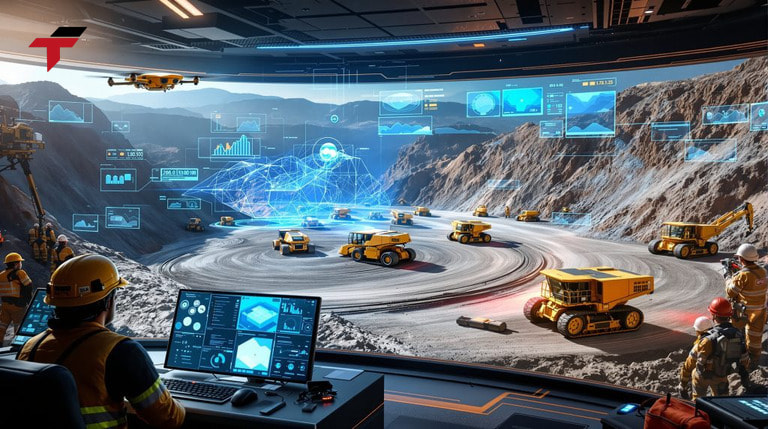
Automated mining relies on a combination of technologies, sensors, and control systems
What Are the Key Technologies in Automated Mining?
Several technologies form the backbone of automated mining, ensuring operational efficiency and safety:
- Autonomous Haul Trucks and Loaders: Self-driving vehicles transport ore and materials without requiring human drivers.
- Drill Rigs and Blasting Automation: Automated rigs handle precise drilling and blasting, improving safety and extraction accuracy.
- Conveyor Systems and Material Handling: Smart conveyors streamline material transport with minimal human supervision.
- Sensors, Cameras, and LIDAR for Monitoring: Enable real-time detection of equipment status, terrain mapping, and hazard identification.
- AI, Machine Learning, and Predictive Maintenance: Predict potential equipment failures, optimize schedules, and improve operational decisions.
What Are the Advantages of Automated Mining?
Automated mining offers a wide range of benefits that enhance safety, efficiency, and cost-effectiveness in mining operations. By leveraging robotics, AI, and real-time data, mining companies can operate more reliably while reducing human risk and operational bottlenecks. Key advantages include:
- Improved Safety and Reduced Human Risk: Automated systems take over hazardous tasks such as underground drilling, blasting, and material handling. This minimizes workplace accidents, exposure to dangerous environments, and health risks associated with repetitive or high-risk operations.
- Increased Productivity and Operational Efficiency: Autonomous vehicles, loaders, and drill rigs can operate 24/7 without fatigue, enabling continuous production. Automation also reduces downtime caused by human errors, leading to higher throughput and more predictable production schedules.
- Lower Operational Costs and Energy Consumption: By optimizing vehicle routes, energy usage, and machinery operation, automated mining reduces fuel consumption, labor costs, and maintenance expenses. Predictive maintenance prevents costly breakdowns, further lowering overall operational costs.
- Enhanced Precision in Extraction and Processing: Sensors, AI, and machine learning algorithms monitor ore quality, drilling accuracy, and material flow, ensuring precise extraction and processing. This reduces waste, improves recovery rates, and maximizes the value of mined resources.
- Real-Time Monitoring and Predictive Analytics: Automated systems collect continuous data from equipment, sensors, and production processes, allowing operators to detect anomalies early, make data-driven decisions, and implement predictive actions to prevent failures.
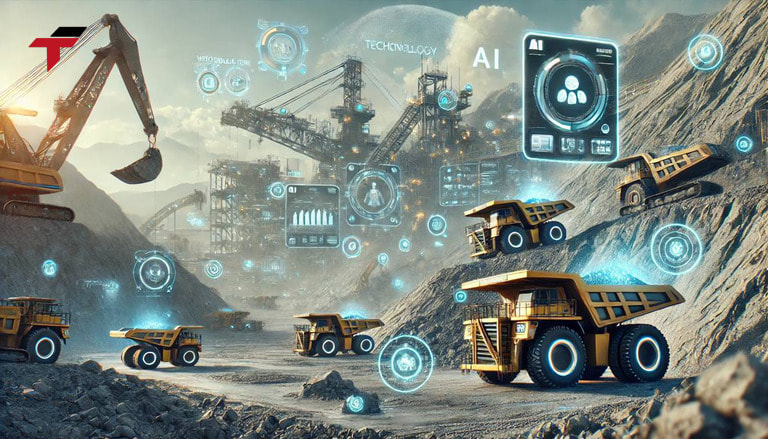
Advantages of Automated Mining
Where Is Automated Mining Applied?
Automated mining is versatile and can be applied across a wide variety of mining operations, from surface mines to underground facilities, as well as mineral processing and exploration. Its adaptability allows mining companies to enhance safety, efficiency, and precision in different scenarios:
- Open-Pit and Surface Mining: Autonomous haul trucks, loaders, and drill rigs optimize large-scale material movement, reduce cycle times, and improve coordination between extraction and transport.
- Underground Mining: Remote-controlled drilling and hauling machines reduce human exposure to confined or hazardous areas, enabling safer underground operations with minimal workforce risk.
- Mineral Processing and Sorting: Automation enhances crushing, screening, and sorting efficiency, using AI-powered sensors and systems to ensure consistent quality and reduce human errors.
- Exploration and Site Surveying: Drones, autonomous survey vehicles, and LIDAR scanning tools collect high-precision geological data, allowing engineers to plan mining operations more accurately and safely.
- Hazardous or Remote Mining Locations: Automated systems allow mining in difficult or dangerous terrains, such as deep mines, deserts, or arctic conditions, where human access is limited or risky.
What Are the Challenges and Considerations in Automated Mining?
While the benefits of automated mining are significant, implementing these systems comes with several challenges. Companies must address financial, technical, workforce, and regulatory considerations to ensure successful adoption:
- High Initial Investment and Infrastructure Cost: Deploying autonomous vehicles, robotics, and control systems requires substantial upfront capital, including infrastructure, software platforms, and sensor networks.
- Integration with Existing Mining Operations: Retrofitting automation into older or legacy mining equipment can be complex. Ensuring compatibility and smooth operation across old and new systems often requires careful planning and engineering.
- Workforce Training and Skill Requirements: Automation shifts workforce requirements toward technical and analytical roles, necessitating training for operators, engineers, and IT staff to manage autonomous systems and interpret data effectively.
- Cybersecurity and Data Management: Automated mining relies heavily on connected systems and cloud platforms. Companies must implement robust cybersecurity measures to protect operational data and prevent potential system disruptions or cyber-attacks.
- Regulatory Compliance and Environmental Impact: Automated mining must comply with local safety, labor, and environmental regulations. Companies also need to consider sustainability practices, such as energy efficiency and minimizing ecological disturbance, to align with global standards.
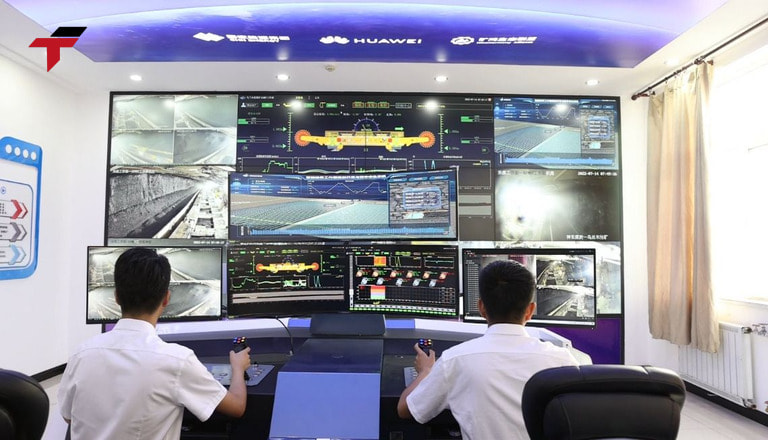
Challenges and Considerations in Automated Mining
Conclusion
Automated mining is revolutionizing the mining industry by improving safety, enhancing operational efficiency, and reducing costs. From autonomous haul trucks to AI-driven monitoring systems, these technologies allow mining operations to become more precise, reliable, and data-driven.
At Flextech, we provide a wide range of industrial automation solutions, including sensors, actuators, control systems, and integration services tailored for mining applications. Our expertise helps mining companies implement efficient, safe, and scalable automated operations, ensuring maximum productivity while minimizing risks and operational costs.


