
In modern industrial environments, even a few minutes of unexpected downtime can lead to costly production delays, safety risks, and major operational disruptions. As Malaysian industries continue moving toward automation, digitalization, and IIoT-driven operations, alarm monitoring has become a critical component in ensuring real-time visibility, safety, and reliability across factory floors and critical processes.
This article explores what alarm monitoring is, how it works, why it matters for Malaysian industries, and how businesses can choose the right system to stay competitive in today’s fast-moving manufacturing landscape.
What Is Alarm Monitoring in Industrial Automation?
Alarm monitoring refers to the continuous process of tracking, detecting, and reporting abnormal conditions in industrial systems. These alarms can indicate failures, deviations in process parameters, safety hazards, unauthorized access, or malfunctions in equipment and automation systems.
In automated environments, alarms are typically triggered by sensors and transmitted through:
- PLCs (Programmable Logic Controllers)
- SCADA systems
- HMI interfaces
- Industrial IoT platforms
The goal is simple: spot problems early, notify the right person, and prevent system-wide failures.
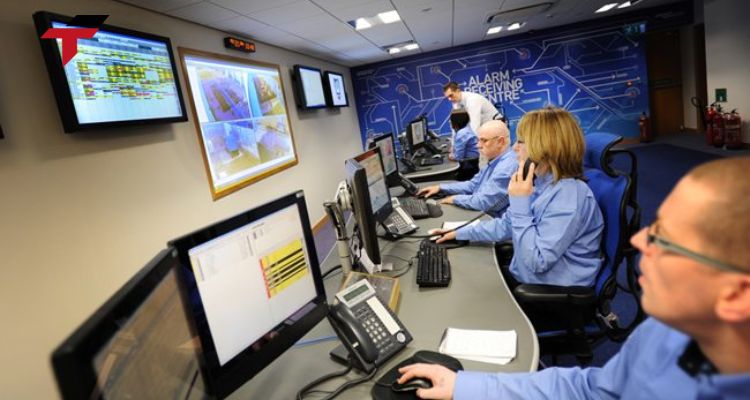
What Is Alarm Monitoring in Industrial Automation?
How Alarm Monitoring Works in Automation Systems
Alarm monitoring involves several connected components working together to ensure accurate detection and timely action:
1. Sensors and Field Devices
Sensors detect process variables such as temperature, pressure, humidity, vibration, flow rate, or motor performance. When values exceed preset thresholds, an alarm is triggered.
2. PLCs
PLCs receive sensor inputs and determine whether conditions meet alarm criteria. They classify events based on severity and pass information to higher-level systems.
3. SCADA and HMI
SCADA and HMI interfaces display alarms to operators visually and audibly. This allows staff to respond quickly to:
- Equipment failures
- Safety incidents
- Quality deviations
- Asset performance issues
4. Alarm Logic and Prioritization
Not all alarms have the same criticality. Modern systems use tiered alarm levels:
- Critical: requires immediate shutdown or emergency action
- High priority: may cause production loss if ignored
- Medium priority: potential quality or efficiency impact
- Low priority: minor deviation or maintenance reminder
5. Notifications and Escalation
Advanced alarm monitoring systems support:
- SMS alerts
- Mobile app notifications
- Email triggers
- Escalation if no response

How Alarm Monitoring Works in Automation Systems
Types of Alarms in Industrial Automation
Different industries use different alarm types depending on their processes, but common categories include:
- Process Alarms: Caused by deviations in process parameters like pressure, pH level, temperature, or flow rate.
- Equipment Alarms: Triggered by machinery failures, motor overloads, actuator errors, or PLC faults.
- Safety Alarms: Related to worker safety, fire hazards, chemical leaks, or emergency stop activations.
- Environmental Alarms: Important for cold storage, pharmaceuticals, food production, and data centres. These track humidity, CO₂ levels, or refrigeration performance.
- Security Alarms: Access control breaches, unauthorized entry, or perimeter violations.
Why Alarm Monitoring Matters for Industries
Malaysia is rapidly adopting automation across key sectors, including manufacturing, palm oil processing, F&B, pharmaceuticals, logistics, and cold chain operations. In these environments, alarm monitoring is essential for operational reliability and compliance.
- Minimizes Downtime: Unexpected downtime can cost manufacturers thousands of ringgit per hour. Early detection helps prevent major failures.
- Enhances Worker and Facility Safety: Safety alarms alert operators to risks before they escalate, reducing accidents and ensuring compliance with OSHA standards.
- Supports Product Quality: In food processing, pharmaceuticals, and cold storage, even slight deviations can affect product integrity. Alarm systems help maintain consistent quality and regulatory compliance.
- Enables Predictive Maintenance: By monitoring abnormal behaviours or performance trends, alarms help detect potential failures early.
- Improves Operational Efficiency: Real-time visibility allows teams to respond faster and make informed decisions – improving productivity across the board.
Key Features of an Effective Alarm Monitoring System
When evaluating an alarm monitoring solution, look for features such as:
- Real-Time Alerts: Immediate notifications through mobile apps, SMS, or email ensure quick response.
- Priority-Based Alarm Management: Clearly defined severity levels help teams focus on what matters most.
- Centralized Dashboard: A unified SCADA or IoT dashboard consolidates alarms from multiple machines or lines into one interface.
- Alarm Logging & Reporting: Historical logs provide insights for troubleshooting, audits, and regulatory reporting.
- Remote Monitoring Capability: Cloud-based platforms allow engineers to monitor alarms anytime, anywhere – essential for multi-site operations.
- Integration with SCADA, PLC, and MES: Ensure compatibility with major automation brands used in Malaysia.
- User-Friendly Visualization: Clear HMI graphics and colour-coded indicators prevent confusion and support faster decision-making.

Key Features of an Effective Alarm Monitoring System
Which Industries in Malaysia Benefit Most from Alarm Monitoring?
Alarm monitoring plays a vital role across Malaysia’s key industries, ensuring safety, maintaining product quality, and preventing costly downtime through real-time detection of equipment issues, process deviations, and environmental risks.
- Manufacturing: Detects machine faults, motor overloads, and PLC errors to reduce downtime.
- Food & Beverage: Monitors temperature, contamination risks, conveyor issues, and batch process deviations.
- Cold Storage: Tracks refrigeration performance, humidity levels, door status, and power failures.
- Palm Oil Mills: Ensures safe boiler operation, pressure control, and processing efficiency.
- Pharmaceuticals: Maintains strict environmental controls to comply with GMP requirements.
- Logistics & Warehousing: Monitors conveyor performance, ASRS faults, and fire or access alarms.
What are the Challenges in Alarm Monitoring
Alarm monitoring comes with several common challenges that can overwhelm operators, reduce efficiency, and delay responses if not properly managed.
- Alarm Flooding: Some facilities experience hundreds or thousands of alarms a day, making it hard for operators to identify what’s important. Implementing alarm rationalization and grouping can reduce noise drastically.
- Nuisance Alarms: False or repetitive alerts reduce operator trust and may cause critical warnings to be ignored. Proper calibration and threshold settings help prevent these issues.
- Poor Visualization: If alarms are not clearly displayed, operators may fail to respond in time. A user-friendly SCADA/HMI dashboard ensures faster decision-making.
- Lack of Prioritization: Without a well-defined priority system, teams may treat all alarms equally – leading to slow responses for critical issues.
- Fragmented Systems: Multiple machines generating alarms without integration can overwhelm staff. A centralized, unified alarm monitoring dashboard improves visibility and response speed.
Conclusion
As industries continue to modernize, the importance of an efficient, reliable alarm monitoring system cannot be overstated. From preventing downtime to improving safety, maintaining product quality, and enabling predictive maintenance, alarm monitoring is at the heart of every successful automation strategy.
Companies that invest in smart, integrated alarm monitoring solutions will not only protect their operations but also empower their teams with the real-time information needed to optimize production and stay competitive in the Industry 4.0 era.


