
In the modern manufacturing landscape, the Manufacturing Execution System (MES) is becoming an indispensable tool. It offers comprehensive capabilities for monitoring and managing production, from real-time data collection and process optimization to rigorous quality control and waste reduction. For businesses aiming to operate at peak efficiency, MES is a powerful strategic asset.
However, a critical question remains: Is the MES suitable for every type of production environment?
This in-depth article will explore the core concepts, functional benefits, potential challenges, and strategic possibilities of integrating MES, particularly its synergy with Enterprise Resource Planning (ERP) systems.
What is a Manufacturing Execution System (MES)?
A Manufacturing Execution System (MES) is a sophisticated software system dedicated to monitoring and managing the entire operational flow on the factory floor.
The MES serves as a crucial bridge, linking high-level business planning and management systems, such as ERP (Enterprise Resource Planning), with the actual production equipment and control devices on the shop floor.
By providing real-time visibility into the production process, MES enables manufacturers to:
- Optimize the utilization of resources (materials, machines, and personnel).
- Implement robust quality control measures.
- Significantly reduce waste and operational inefficiencies.
How the Manufacturing Execution System Works
A Manufacturing Execution System (MES) operates through a streamlined workflow that connects planning, production, quality, and reporting into one unified control system.
- Step 1: Data Collection – MES gathers data from ERP/PLM systems and factory devices like PLCs and SCADA.
- Step 2: Data Integration & Processing – Centralizes and analyzes raw data to determine material status, machine performance, and workforce capacity.
- Step 3: Production Planning & Coordination – Converts ERP orders into actionable production plans and adjusts schedules in real time when issues arise.
- Step 4: Quality Management & Inspection – Monitors production parameters, compares them with quality standards, and logs inspection data instantly.
- Step 5: Analysis & Reporting – Generates performance reports with KPIs such as throughput, quality rates, and equipment productivity for better decision-making.

How the Manufacturing Execution System Works
What are the Benefits and Challenges of the MES?
Implementing an MES is a strategic move that significantly enhances production efficiency and market competitiveness. However, it requires a careful consideration of both its powerful advantages and the associated challenges.
Advantages
- Boosted Production Efficiency: MES provides real-time data on machine status, human resources, and progress, allowing for immediate responses to issues and changes. This rapid response minimizes waiting times and drastically improves operational throughput.
- Stringent Product Quality Control: By monitoring quality parameters at every stage and collecting data for analysis, MES facilitates early error detection. This enables manufacturers to implement immediate corrective actions, reducing product defects and ensuring consistent quality standards are met.
- Optimized Inventory Management: Accurate, real-time information on production status and raw material consumption helps businesses optimize their inventory levels. The ability to flexibly adjust production minimizes overstocking or shortages, reducing storage costs and increasing supply chain agility.
- Enhanced Data Accuracy: The MES system eliminates manual data entry by automatically integrating information between production equipment and management software. This automation significantly reduces errors and increases the reliability and accuracy of all operational data.
Disadvantages
- Significant Initial Investment: The adoption of an MES requires a substantial upfront cost covering software licensing, necessary hardware infrastructure, and extensive personnel training. This financial commitment can be a significant hurdle, especially for Small and Medium-sized Enterprises (SMEs). Furthermore, future costs for maintenance and system upgrades must be factored into the long-term budget.
- Cybersecurity Risks: The continuous data connectivity and integration of MES with other enterprise systems increase the system’s exposure to potential cyber threats. Implementing robust and appropriate security measures is essential to prevent data breaches, production disruptions, and loss of sensitive operational information.

What are the Benefits and Challenges of the MES?
Should MES and ERP Be Integrated?
Integrating the Manufacturing Execution System (MES) with the Enterprise Resource Planning (ERP) system is a foundational step toward creating a truly “smart factory.” This integration ensures perfect synchronization between high-level strategic management and the detailed production operations on the shop floor.
Here are the critical benefits of combining these two powerful systems:
- Improved Decision-Making Capabilities: MES feeds real-time operational data directly to the ERP system, which then uses this information to support high-level management strategies. This ensures that crucial decisions are based on the latest factory floor realities, moving away from assumptions.
- Streamlined Operational Efficiency: Integration enables seamless automation and accurate execution of production plans. It ensures that inventory and distribution information is updated instantaneously, streamlining the entire order-to-delivery cycle.
- Enhanced Data Synchronization: By synchronizing data flow between MES and ERP, the integration eliminates informational silos. This ensures a continuous, unbroken, and consistent flow of information across the entire organization.
- Substantial Cost Savings: Integration drastically reduces the manual effort required for data transfer between the two systems, minimizing transcription errors. The time saved in processing relevant information translates directly into optimized operating costs.
In essence, integrating MES and ERP is a necessity for modernizing manufacturing. For large enterprises, this integration is essential for maintaining competitive edge and ensuring scalability. For smaller businesses, starting with a phased, modular implementation can optimize both cost and efficiency gains.
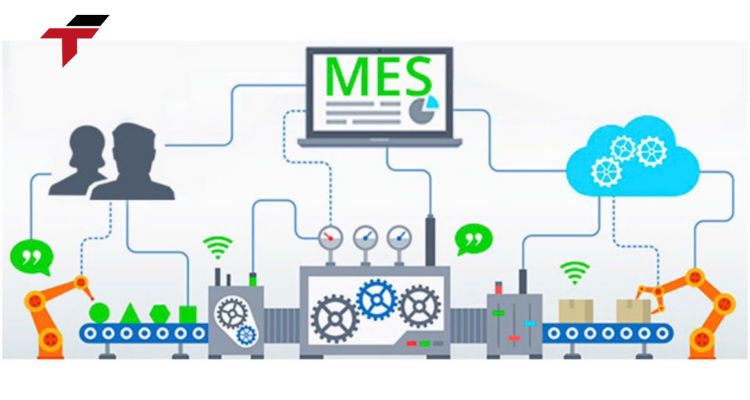
Should MES and ERP Be Integrated?
How to Choose the Right Manufacturing Execution System
Selecting the perfect MES is a strategic decision that requires careful evaluation of your factory’s specific needs, budget, and long-term goals. Navigating the complex landscape of vendors and features can be challenging, which is why partnering with a reliable integrator like Flextech is crucial for successful implementation and optimization.
- Proven Industry Expertise: Flextech has deep experience across various manufacturing sectors, ensuring the MES solution is tailored to your unique production environment and regulatory requirements.
- Seamless ERP Integration: They specialize in bridging the gap between your new MES and existing ERP/business systems for true end-to-end data synchronization.
- Customization and Scalability: Flextech provides solutions that can be customized to your current processes while offering the flexibility to scale as your business grows.
- Comprehensive Support: From initial consultation and deployment to training and post-launch maintenance, Flextech ensures a smooth transition and continuous operational excellence.
Choosing the right MES partner is as important as choosing the system itself. By collaborating with a trusted expert like Flextech, you secure not only a powerful software solution but also the strategic support necessary to achieve maximum efficiency and return on investment.
Conclusion
The Manufacturing Execution System (MES) is a pivotal technology for optimizing and modernizing production processes in the industrial automation sector. With its core functions in resource management, real-time production monitoring, and detailed data analysis, MES empowers businesses to effectively reduce operational costs, significantly improve product quality, and maximize overall production efficiency.
While the implementation of MES presents genuine challenges related to initial cost and system integration complexity, the ongoing evolution within the context of Industry 4.0 cements its future. The MES will undoubtedly remain a critical tool, helping factories continuously refine their production processes and achieve superior competitiveness in the global market.


